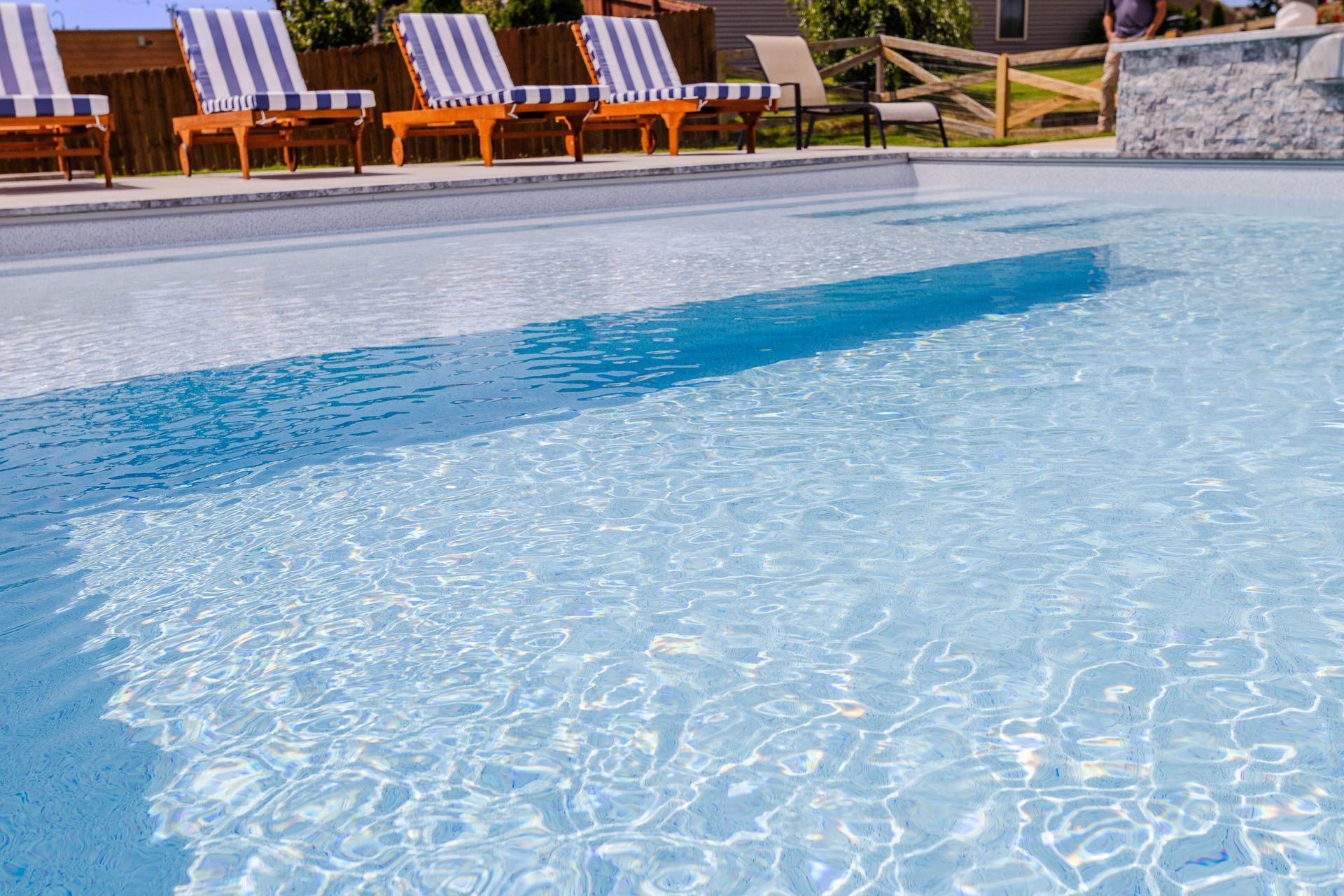
Converting Your Chlorine Pool to Saltwater

August 31, 2026

Converting a Chlorine Pool to a Saltwater Pool: A Homeowner’s Guide

If you own a swimming pool in Greenville or elsewhere in Upstate South Carolina, you may have considered switching from a traditional chlorine pool to a saltwater system. Saltwater pools have become a popular option for homeowners looking for a different approach to maintaining clean, comfortable pool water. Before making the transition, it helps to understand how these systems work and what the conversion involves.

How Does a Saltwater Pool Work?

Despite the name, saltwater pools still use chlorine to sanitize the water. The difference is how that chlorine gets into the pool. Instead of regularly adding chlorine tablets or liquid chlorine, a saltwater system uses a salt chlorine generator to convert dissolved salt into chlorine. Because chlorine is produced gradually, saltwater pools can maintain more consistent sanitizer levels. Many swimmers also find the water feels softer and notice less of the strong chlorine smell commonly associated with traditionally chlorinated pools.

Can You Convert an Existing Chlorine Pool?

In many cases, an existing chlorine pool can be converted to saltwater without replacing the entire pool or filtration system. The primary change is the installation of a salt chlorine generator. Pool-grade salt is then added to the water until it reaches the level required by the system. Before converting, the pool equipment and surfaces should be evaluated for compatibility. Salt can contribute to corrosion when certain metals or components are not properly protected, making it important to understand how a saltwater system will interact with your existing pool.

What Maintenance Does a Saltwater Pool Require?

Switching to saltwater does not mean eliminating pool maintenance. Homeowners still need to monitor water chemistry, including pH, alkalinity, stabilizer and chlorine levels. The salt cell also requires periodic inspection and cleaning because mineral buildup can reduce its effectiveness over time. This is particularly important for pool owners in Greenville and Upstate South Carolina, where pools may see heavy use throughout the long, warm swimming season.

Is a Saltwater Pool Right for Your Greenville Home?

For many homeowners, the appeal of a saltwater pool comes down to convenience and swimming comfort. However, there are upfront equipment costs, ongoing salt-cell maintenance and compatibility considerations to weigh before making the switch.


If you are considering converting your chlorine pool to saltwater, we can help at Aqua Blue Pools. We’ll start by evaluating the condition of your current pool equipment and learning what your specific pool will require. Understanding the conversion process ahead of time can help you decide whether a saltwater system makes sense for your Upstate South Carolina pool.

August 7, 2026
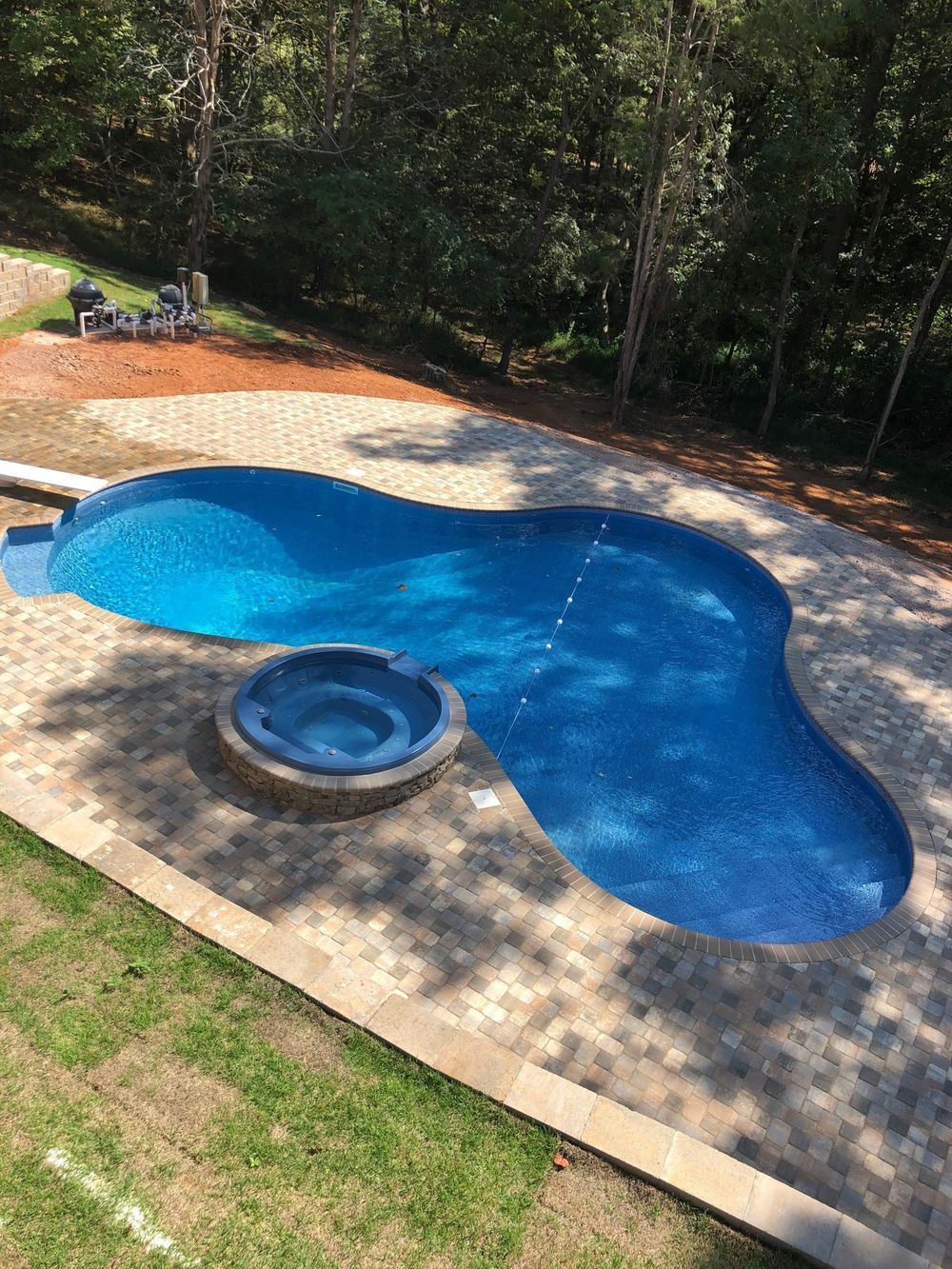
How Are Sunken Hot Tubs Built? Unlike a portable hot tub that sits on a concrete pad, a sunken hot tub becomes part of the overall landscape design. The installation area must include a stable foundation, proper drainage, and space for plumbing and electrical connections. Many homeowners build a sunken spa into a composite deck, paver patio, or alongside a custom swimming pool to create a seamless outdoor living area. During construction, it's also important to plan for future service access so technicians can easily reach the equipment if maintenance is ever needed. Electrical and Plumbing Requirements Every hot tub requires a dedicated electrical circuit installed by a licensed electrician. Depending on the design, additional plumbing may be needed, especially if the spa is incorporated into a pool or custom water feature. Proper drainage is equally important to keep water from collecting beneath the deck or patio. Working with an experienced installer helps ensure these systems are designed correctly from the start, protecting both the hot tub and the surrounding hardscape. Are Sunken Hot Tubs More Difficult to Repair? One of the biggest considerations with a sunken hot tub is accessibility. Because the spa is recessed into the surrounding structure, repairs can become more involved if there isn't enough room to reach the pumps, plumbing, or electrical components. This doesn't mean built-in hot tubs require more repairs than above-ground models, but service can take longer if the installation wasn't planned properly. That's why our team at Aqua Blue Pools designs every installation with removable access panels or dedicated service areas whenever possible. Is a Sunken Hot Tub Right for Your Backyard? If you're already building a new deck, patio, or swimming pool, a sunken hot tub can become a standout feature that blends naturally into the overall design. With thoughtful planning, homeowners throughout Greenville, Greer, Simpsonville, Anderson, Spartanburg, and the surrounding Upstate South Carolina communities can enjoy a built-in spa that is both beautiful and practical. At Aqua Blue Pools, we help homeowners create outdoor living spaces that balance style, comfort, and long-term performance.
excavating your pool
July 10, 2026
What to expect during excavation week for your brand-new custom pool. Learn about the digging process from Aqua Blue Pools in the Upstate.
More Posts